
Common Pond Repairs and How to Prevent Them
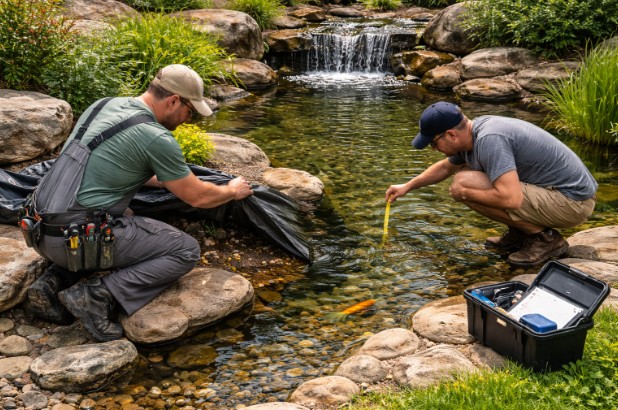
BLOG POST Common Pond Repairs and How to Prevent Them Pond repairs are a normal part of maintaining a healthy and functional water feature, but many issues start small and go unnoticed until they become costly problems. A drop in water level, cloudy water, or reduced flow may seem minor at first, yet these are often early warning signs that your pond needs attention. When left unresolved, these issues can affect not only the appearance of your pond but also the health of fish, plants, and the entire ecosystem. The key is understanding what to look for and acting early. With proper care and routine maintenance, many common pond repairs can be avoided altogether. This guide from Living Waters Pond & Garden in Shepherdsville, KY, explains the most common pond repairs, what causes them, and how to prevent them so your pond remains clean, balanced, and enjoyable year-round. Why Pond Repairs Are Important for Long-Term Performance A pond is not just a decorative feature. It is a living system that depends on balance. Water circulation, filtration, plant life, and fish all work together to create a stable environment. When one part of that system fails, it often creates a chain reaction that affects everything else. Ignoring small problems can lead to: Declining water clarity Increased algae growth Stress or loss of fish Equipment damage Structural issues that worsen over time Routine maintenance and early repairs help preserve water quality and reduce the risk of expensive fixes later. A well-maintained pond is easier to manage and more enjoyable to use. Pond Leaks and Water Loss Water loss is one of the most common reasons homeowners need pond repairs. While some evaporation is expected, a noticeable drop in water level usually signals a leak or system issue. Signs of a Pond Leak Water level drops faster than normal Damp or muddy areas around the pond The pump begins to lose efficiency or run dry Rocks or edges shift out of place What Causes Pond Leaks Leaks can develop from several sources, including: Punctures or tears in the pond liner Loose or damaged plumbing connections Water escaping from waterfalls or stream edges Ground movement or settling beneath the pond How to Prevent Pond Leaks Inspect the liner regularly for signs of wear Keep rocks and edging secure Ensure water flow stays contained within the pond Check plumbing connections for leaks Catching leaks early prevents them from becoming structural problems. Pump and Filtration System Failures Your pond’s pump and filtration system are essential for maintaining water movement and clarity. When these components fail, water can quickly become stagnant and unhealthy. Signs of Equipment Problems Reduced or inconsistent water flow Unusual noises from the pump Cloudy or dirty water Debris is accumulating in the pond Common Causes Clogged filters or intake areas Aging or worn-out pump parts Electrical malfunctions Improper system size for the pond How to Prevent Equipment Issues Clean filters on a regular schedule Remove debris before it enters the system Monitor pump performance weekly Replace components before they fail completely Proper equipment care not only improves performance but also extends the lifespan of your pond system. Algae Overgrowth and Water Imbalance Algae is a natural part of any pond environment, but excessive growth can quickly disrupt balance and affect water clarity. Signs of Excess Algae Green or murky water Stringy algae covering rocks and surfaces Reduced oxygen levels Why Algae Becomes a Problem Excess sunlight exposure High nutrient levels from fish waste Overfeeding fish Poor water circulation H3: How to Prevent Algae Growth Add aquatic plants to provide shade Feed fish in controlled amounts Maintain proper filtration and circulation Remove debris before it breaks down Keeping algae under control helps maintain a clear and healthy pond. Damaged or Aging Pond Liners The liner is what holds your pond together. When it becomes damaged, it can lead to leaks and long-term instability. Signs of Liner Damage Ongoing or sudden water loss Visible cracks, holes, or thinning areas Soil erosion around the pond Common Causes Natural aging over time Sharp rocks or roots pressing against the liner Animal activity Poor installation How to Prevent Liner Damage Use high-quality liner materials Install protective underlayment Keep sharp objects away from the pond Schedule routine inspections Addressing liner damage early prevents larger repairs and protects the overall structure. Waterfall and Stream Issues Waterfalls and streams add movement and sound, but they also introduce areas where water can escape or flow incorrectly. Signs of Water Feature Problems Weak or uneven water flow Water spilling outside intended areas Loss of sound or visual appeal Common Causes Blockages from debris Pump performance issues Shifting rocks or poor leveling How to Prevent Problems Keep water pathways clear Check flow regularly Adjust stones and edges as needed Maintain pump efficiency A properly functioning waterfall enhances both the look and feel of your pond. Poor Water Quality Water quality is the foundation of a healthy pond. When it declines, everything in the pond is affected. Signs of Poor Water Quality Foul odor Cloudy or discolored water Fish showing signs of stress Excess debris accumulation What Causes Water Issues Organic debris buildup Overcrowded fish population Inadequate filtration Lack of aeration How to Prevent Water Quality Problems Remove debris regularly Maintain balanced fish levels Use proper filtration systems Test water periodically Maintaining clean water helps support fish, plants, and overall pond performance. Seasonal Pond Damage Seasonal changes can affect your pond in different ways throughout the year. Without proper preparation, weather conditions can lead to damage. Common Seasonal Issues Freezing temperatures are affecting equipment Increased evaporation during hot months Storm debris is entering the pond How to Prevent Seasonal Damage Prepare your pond before winter Monitor water levels in summer Remove debris after storms Adjust maintenance routines based on the season Seasonal care helps protect