
Seasonal Pond Maintenance Guide for Homeowners
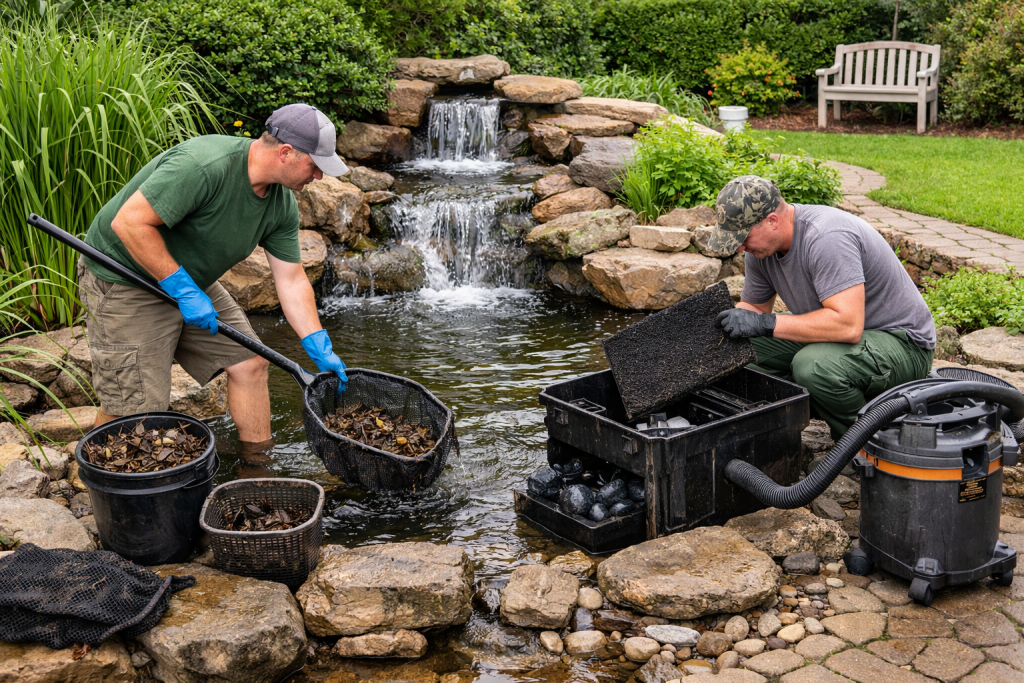
BLOG POST Seasonal Pond Maintenance Guide for Homeowners A backyard pond adds beauty, calm, and movement to your outdoor space. But without proper pond maintenance, that peaceful feature can quickly become cloudy, overgrown, and unhealthy. Algae can spread fast. Debris can collect at the bottom. Pumps and filters can clog. When this happens, fish, plants, and water quality all suffer. This Seasonal Pond Maintenance Guide for Homeowners explains what to do during each season to protect your water feature and keep it clear and balanced. Living Waters Pond & Garden in Venice, FL, has years of hands-on experience caring for ponds in Florida’s warm and changing climate. Our team understands how heat, rain, storms, and seasonal shifts affect your pond. Whether you care for your pond yourself or prefer professional service, this guide will help you stay ahead of problems. For more expert tips and seasonal advice, check out our blog for helpful resources designed for Florida homeowners. Spring Pond Maintenance: Refresh and Restart Spring is the time to reset your pond. As temperatures rise, fish become more active. Plants begin growing again. At the same time, debris that settled during cooler months begins to break down, affecting water quality. Spring pond maintenance focuses on cleaning, inspecting, and preparing your system for warmer weather. Key Spring Tasks: Remove leaves, sludge, and organic debris Clean pond filters and skimmers Inspect pumps, hoses, and plumbing Trim and divide aquatic plants Slowly reintroduce fish feeding Even though Florida winters are mild, biological activity still slows down. During this period, debris may accumulate at the bottom of your pond. If left in place, it increases nutrients in the water. These nutrients fuel algae growth once temperatures rise. Spring is also the best time to inspect your equipment. Check for cracks in tubing. Make sure pumps turn on smoothly. Confirm that water flows properly through your waterfall or filtration system. Pro Tip: Avoid draining the entire pond unless it is necessary. Draining removes beneficial bacteria that help maintain the ecosystem’s balance. If your pond water stays cloudy even after cleaning, there may be deeper filtration or circulation issues. Early inspection prevents costly repairs later in the year. Summer Pond Maintenance: Control Heat and Algae Summer in Venice, FL, brings high heat and strong sunlight. These conditions create an ideal environment for algal growth. Without steady pond maintenance, water can turn green very quickly. Heat also reduces oxygen levels in the water. Fish need oxygen to stay healthy. If oxygen drops too low, fish may gather near the surface or show signs of stress. Summer pond maintenance focuses on balance, circulation, and algae control. Focus Areas for Summer: Monitor water levels due to evaporation Check aeration systems often Remove visible algae by hand Add beneficial bacteria treatments Test water quality regularly Evaporation increases during hot months. Low water levels can affect pump performance and filtration. Carefully topping off water helps maintain system balance. Aeration is especially important in summer. Waterfalls, fountains, and air pumps keep water moving and increase oxygen levels. Good circulation prevents stagnant areas where algae grow. Watch for these warning signs: Green or murky water String algae on rocks and edges Fish gasping at the surface Strong or unpleasant odors If algae becomes hard to control, professional pond maintenance can restore clarity. Living Waters Pond & Garden offers seasonal service plans tailored to Florida summers. Our team checks filtration systems, balances water chemistry, and ensures proper flow. For a complete list of maintenance and repair options, visit our services page to learn how we help homeowners protect their ponds year-round. Fall Pond Maintenance: Reduce Debris and Stabilize Fall is about preparation. Even in Southwest Florida, seasonal shifts bring more falling leaves and organic debris. If leaves sink into the pond and decay, they increase nutrients in the water. Those nutrients fuel algae growth later. Removing debris now prevents future problems. Fall Checklist: Skim leaves from the surface Trim back dying aquatic plants Clean filters before winter Inspect liner edges and stonework Adjust fish feeding as activity slows Aquatic plants that begin to die back should be trimmed. Dead plant material decomposes, affecting the water balance. Removing it early helps maintain clear water. Fall is also a good time to inspect your pond’s structure. Check rocks around waterfalls. Make sure stones have not shifted after heavy rain. Confirm that water flows evenly and does not splash outside the liner. Taking care of these details in the fall makes winter monitoring easier and reduces the workload when spring returns. Winter Pond Maintenance: Monitor and Protect Winters in Venice, FL, are mild, but pond systems still undergo seasonal changes. Fish move less. Plants grow slowly. Bacterial activity decreases. Winter pond maintenance focuses on monitoring instead of heavy cleaning. Winter Maintenance Steps: Reduce fish feeding Check pump operation regularly Inspect for leaks after storms Clear debris from skimmers Maintain steady water levels Overfeeding fish during winter can create water quality issues. Fish metabolism slows in cooler temperatures. Uneaten food sinks to the bottom, increasing ammonia levels. Even in winter, pumps should run smoothly. Check for unusual sounds or weak water flow. After storms, inspect liner edges and ensure water levels remain steady. Routine monitoring prevents small issues from turning into major repairs. Why Consistent Pond Maintenance Matters A pond is more than decorative. It is a living ecosystem. Fish, plants, bacteria, and equipment all work together to create balance. When pond maintenance is skipped, problems build over time. Water turns cloudy. Algae spreads. Equipment wears down faster. Benefits of Regular Pond Maintenance: Clear and healthy water Strong fish and plant life Better oxygen circulation Longer equipment lifespan Lower long-term repair costs Routine service protects your investment. Pumps, liners, and filtration systems last longer when regularly inspected and cleaned. Most importantly, proper pond maintenance keeps your water feature peaceful. Instead of worrying about algae or cloudy water, you can enjoy the sound of flowing water and the beauty of your landscape. When to Schedule Professional Pond Maintenance