
Pond Cleaning Essentials Every Owner Should Know
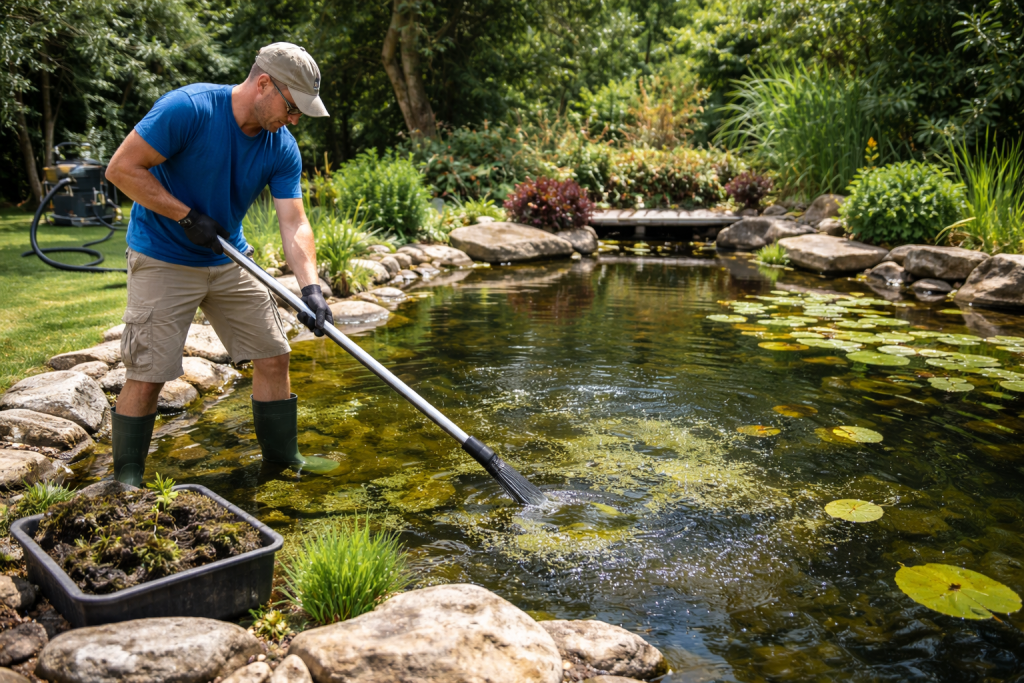
BLOG POST Pond Cleaning Essentials Every Owner Should Know A backyard pond should feel calm and inviting. It should not feel like a chore. When water turns cloudy, algae spreads, or debris collects at the bottom, the pond loses its appeal. These problems are common among pond owners, especially in warm climates such as Florida. Heat, sunlight, and falling debris can quickly disrupt a pond’s balance. The good news is that proper pond cleaning helps prevent these issues. With the right care, your pond can stay clear, healthy, and enjoyable year-round. This guide outlines the pond-cleaning essentials every owner should know and explains how professional care in Venice, FL, helps protect your pond over time. Why Pond Cleaning Plays a Critical Role in Pond Health A pond is a living system. Water, plants, fish, and helpful bacteria all work together. Leaves, pollen, and fish waste enter the pond every day. If they are not removed, they begin to break down. This process releases nutrients into the water. Regular pond cleaning helps: Keep water clear and balanced Limit algae growth Support healthy fish and plants Maintain proper oxygen levels Reduce strain on pumps and filters When cleaning is skipped, minor problems can grow. Over time, water quality drops, and repairs become more expensive. Common Reasons Pond Water Becomes Cloudy or Green Cloudy or green water usually indicates excessive nutrient buildup. These nutrients feed algae, reducing pond visibility. Poor circulation makes the problem worse. Common causes include: Fallen leaves and plant debris Fish waste and leftover food Filters that are clogged or undersized Too many fish in one pond Hot weather and direct sun Understanding the causes of these issues makes pond cleaning more effective and easier to manage. Removing Debris and Sludge Debris removal is one of the most important parts of pond cleaning. Leaves and organic matter sink to the bottom, forming sludge. Sludge releases nutrients back into the water, lowering water quality. Necessary debris removal steps include: Skimming leaves and debris from the surface Removing sunken material before it breaks down Vacuuming sludge from the pond floor when needed Regular debris removal keeps the water clearer and reduces algae growth. Managing Algae Without Harming the Ecosystem Algae are natural in ponds. A small amount is normal. Problems begin when algae grows too fast and spreads across the surface or along rocks. Safe algae control includes: Removing string algae by hand Limiting nutrients through regular cleaning Keeping water moving with proper circulation Avoiding harsh chemicals that harm fish Good pond cleaning controls algae while maintaining a stable ecosystem. Cleaning and Maintaining Filters and Pumps Filters and pumps keep water moving and clean. When they are dirty, debris stays in the water and oxygen levels drop. Basic maintenance includes: Rinsing filters with pond water Checking pumps for clogs Replacing worn filter media when needed Clean equipment improves water flow and helps the pond stay balanced. Seasonal Pond Cleaning Considerations Each season affects your pond differently. Adjusting your pond-cleaning routine helps prevent damage and water-related issues. Spring Remove debris left from winter Inspect pumps and filters Restart systems slowly Summer Watch for algae growth Check water levels often Support oxygen flow for fish Fall Remove leaves before they sink Trim dying plants Prepare for cooler weather Winter Keep part of the surface open Maintain light water movement Protect fish from oxygen loss Seasonal pond cleaning keeps the pond stable year-round. Why DIY Pond Cleaning Can Create Problems Basic upkeep is manageable. Deep pond cleaning is more complex. Without experience, it is easy to disrupt the pond’s balance. Common DIY mistakes include: Removing too much water at once Washing away helpful bacteria Using the wrong cleaning products Damaging liners or equipment Professional pond cleaning helps avoid these risks and protects the pond system. Benefits of Professional Pond Cleaning Services Professional care provides consistency and peace of mind. Trained technicians understand how ponds function as ecosystems. Professional pond cleaning offers: Complete debris and sludge removal Safe algae management Equipment inspection and adjustments Balanced water conditions Fish-safe cleaning methods This level of care supports long-term pond health. How Often Should Pond Cleaning Be Scheduled There is no single schedule for every pond. Cleaning frequency depends on size, fish load, and surroundings. General guidelines include: Light maintenance weekly or biweekly Seasonal cleanings are two to four times per year Deep cleaning once a year or as needed A customized plan keeps the pond clean without overworking the system. Signs Your Pond Needs Immediate Attention Several indicators indicate that pond cleaning should not be delayed. Watch for: Green or cloudy water Strong or unusual odors Thick sludge at the bottom Fish acting stressed or inactive Weak water movement Addressing these signs early prevents long-term damage. Why Homeowners Trust Living Waters Pond & Garden Experience matters when caring for ponds. Living Waters Pond & Garden provides professional pond cleaning, backed by years of hands-on experience and deep knowledge of water features. Homeowners value this service for: Proven cleaning techniques Fish-safe practices Clear communication Reliable service in Venice, FL For helpful maintenance tips and seasonal advice, check our blog for additional pond care information. To explore complete care options, visit the services page for a full overview of available solutions. Frequently Asked Questions About Pond Cleaning How long does professional pond cleaning take? Most cleanings take a few hours. Time depends on pond size and condition. Is pond cleaning safe for fish? Yes. Proper methods protect fish and preserve healthy bacteria. Does a pond need to be drained for cleaning? Not always. Many cleanings are done without complete draining. Can routine cleaning reduce algae growth? Yes. Regular pond cleaning helps limit nutrient buildup and control algae. Conclusion Pond cleaning is essential for keeping the water clear, the fish healthy, and the outdoor spaces enjoyable. With routine care and professional support, ponds remain balanced and easier to maintain over time. Schedule Professional Pond Cleaning Keep your pond clear and balanced year-round with expert pond cleaning from Living Waters Pond